
Shooting Smarter
Why a Strong In-Person Business Can Look Weak Online.
The shop, food, people, process, and atmosphere may already be strong. The problem is that the online version is not showing enough of it.
By Maverick Beach / June 10, 2026
This guide combines source-backed context with Maverick Beach Creative’s working approach to planning and producing small-business content.
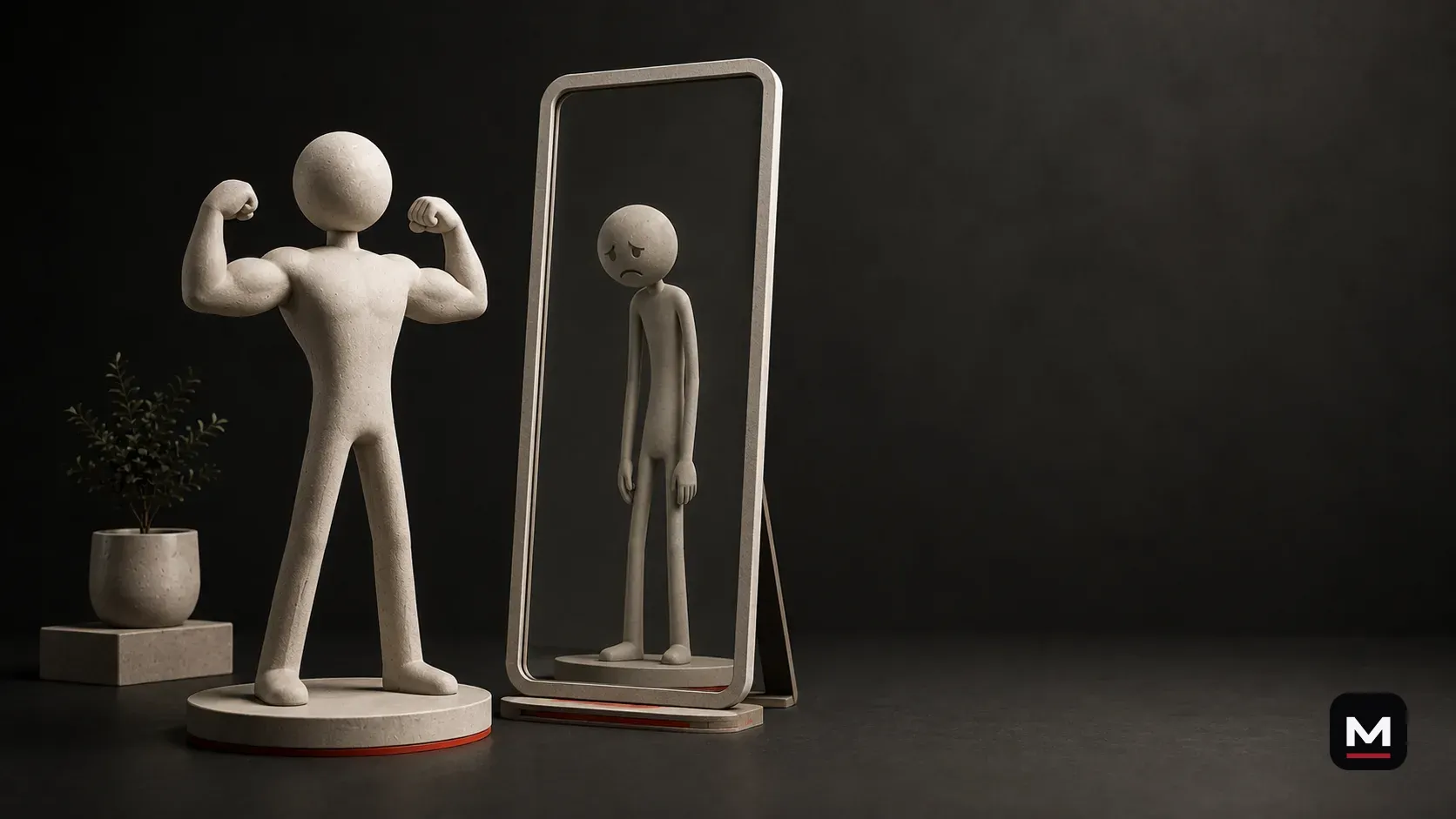
A lot of small businesses are much better in person than they look online.
The food is better than the menu photo. The shop is busier and more capable than the old website suggests. The crew is sharper, the product makes more sense in use, and the atmosphere feels completely different once someone walks through the door.
That gap matters. Most new customers meet the online version first.
Use real people, products, places, and processes as source material.
Restaurants, food trucks, and bars have service, movement, regulars, and the sound of a real shift. Jewelry stores, clothing stores, thrift stores, and product brands have details, curation, personality, and products people want to inspect. Automotive and fabrication shops have tools, process, problem-solving, and finished work. Gyms and local teams have coaching, effort, and community. Outdoor brands and motorsports have products and equipment being used where they were designed to work.
None of that needs to be invented. It needs to be noticed, captured, and shaped clearly enough that someone online can understand what makes the place worth visiting.
Why the online version falls behind.
The people running the business are busy running the business. Photos get taken only when someone remembers. Videos show the obvious result but skip the process, people, atmosphere, and details that make the result believable.
Over time, the real business improves while the online version stays frozen. New equipment arrives. The menu changes. The team gets better. The website and social pages keep showing an older, flatter version.
Capture the experience, not just the object.
A plate of food matters. So does the grill, the person making it, the line at the truck, and the first bite. A finished truck matters. So do the tools, hands, sounds, decisions, and first start-up.
Useful content gives the obvious subject enough context to feel real. Wide shots establish the place. Medium shots show people and process. Close details make the work tangible. Natural sound brings the room back.
What this looks like for different businesses.
A taco truck should not only show a finished taco against a clean background. Show the window opening, the grill moving, the sauce going on, the regular who knows the order, and the location people need to recognize later.
A solar company should not only show panels on a roof. Show the crew arriving, protection and preparation, clean installation details, the person who can explain the work, and what the finished system means for the customer.
A gym should not only show empty equipment. Show coaching, effort, adjustments, different ability levels, and the energy between people. The real experience is the product.
Audit the gap before planning the shoot.
Open the website and social pages as if you have never visited the business. Can you tell what happens there? Can you see the people? Does the place feel active? Are the most convincing parts of the experience visible?
Then walk through the real business and note what is missing online. That difference becomes the shot list. It is a better starting point than copying a trend or asking for a generic brand video.
- What do customers notice immediately in person?
- What do employees do every day that shows expertise?
- What sounds, details, or movement make the place recognizable?
- What questions disappear once someone sees the work happen?
Keep the details customers value about the real business.
Closing the gap does not mean making a food truck look like a national restaurant chain or making a working shop look like an empty showroom. The uneven edges, real pace, familiar people, and specific environment may be the reason customers care.
Production should clarify the business, not sand off its personality. A lean setup can move around normal work, capture honest moments, and leave enough room for the business to keep being itself.
What to capture first.
Start with one experience customers need to understand. It might be what a normal class feels like, how an estimate works, why a product detail matters, or what happens during a busy dinner service.
Capture the beginning, middle, and result. Include the people doing the work, the environment around them, and one clear explanation. That creates a complete piece instead of a pile of disconnected highlights.
Start with the part of the business customers cannot see online.
Start by identifying the part of the business customers understand immediately in person but rarely see online. Build one focused shoot around that gap.
If you are not sure what deserves attention first, a detailed quote request can include a Free Content Fit Check: what looks useful, what to avoid, and the cleanest realistic starting point.
Final take.
The goal is not to make the business look fake, oversized, or staged. It is to make the online version finally feel as capable, specific, and alive as the real one.
How this applies to businesses in Bend and elsewhere.
For a small business, the strongest footage is often already happening during normal work: service, preparation, tools, trucks, products, people, and the surrounding environment. The goal is to capture it without taking over the day.
Based in Bend, Oregon, with select Pacific Northwest projects, the planning starts with how the business actually operates, then builds the shoot around practical video, shortform, and YouTube needs. Editing includes audio-minded post; FAA Part 107 drone support is available when aerial context helps.
Related questionsAnswers if you want more context
What does content marketing actually do for a small business?
It makes the business easier to understand, recognize, remember, and trust before someone is ready to visit, order, book, or call. Over time, a connected body of branded content gives sales conversations a warmer starting point.
What is the difference between a pretty video and a useful video?
A pretty video looks good. Outcome-oriented creative also has a clear digital-marketing job, audience, destination, and plan for what the business should do with it after delivery. The goal is not art for art's sake; it is creative work that helps the business communicate, build trust, and move people toward a useful next step.
Will one video directly create sales?
Sometimes one video supports a direct sale, launch, event, or offer. But marketing and sales do different jobs. Content builds attention, familiarity, recognition, trust, and brand memory; sales converts that demand when the offer, timing, follow-up, and customer need align. One piece should have a clear job, but it should not be expected to do the entire job alone.
Sources2 references used for context
This guide combines source-backed context with Maverick Beach Creative’s working approach to planning and producing small-business content.
- The 95-5 Rule — LinkedIn B2B InstituteSupports building memory before a potential customer is ready to buy.
- Why focusing on the entire marketing funnel is key for long-term brand growth — NielsenSupports the long-term value of recognition, familiarity, and brand building.