
AI + Content
Common Concerns About Using AI in Creative Work.
Being skeptical of AI is not wrong. The real question is not whether AI is good or bad. It is where AI helps, where it hurts, and whether it is being used to support the work or replace the point of the work.
By Maverick Beach / June 10, 2026
This guide combines source-backed context with Maverick Beach Creative’s working approach to planning and producing small-business content.
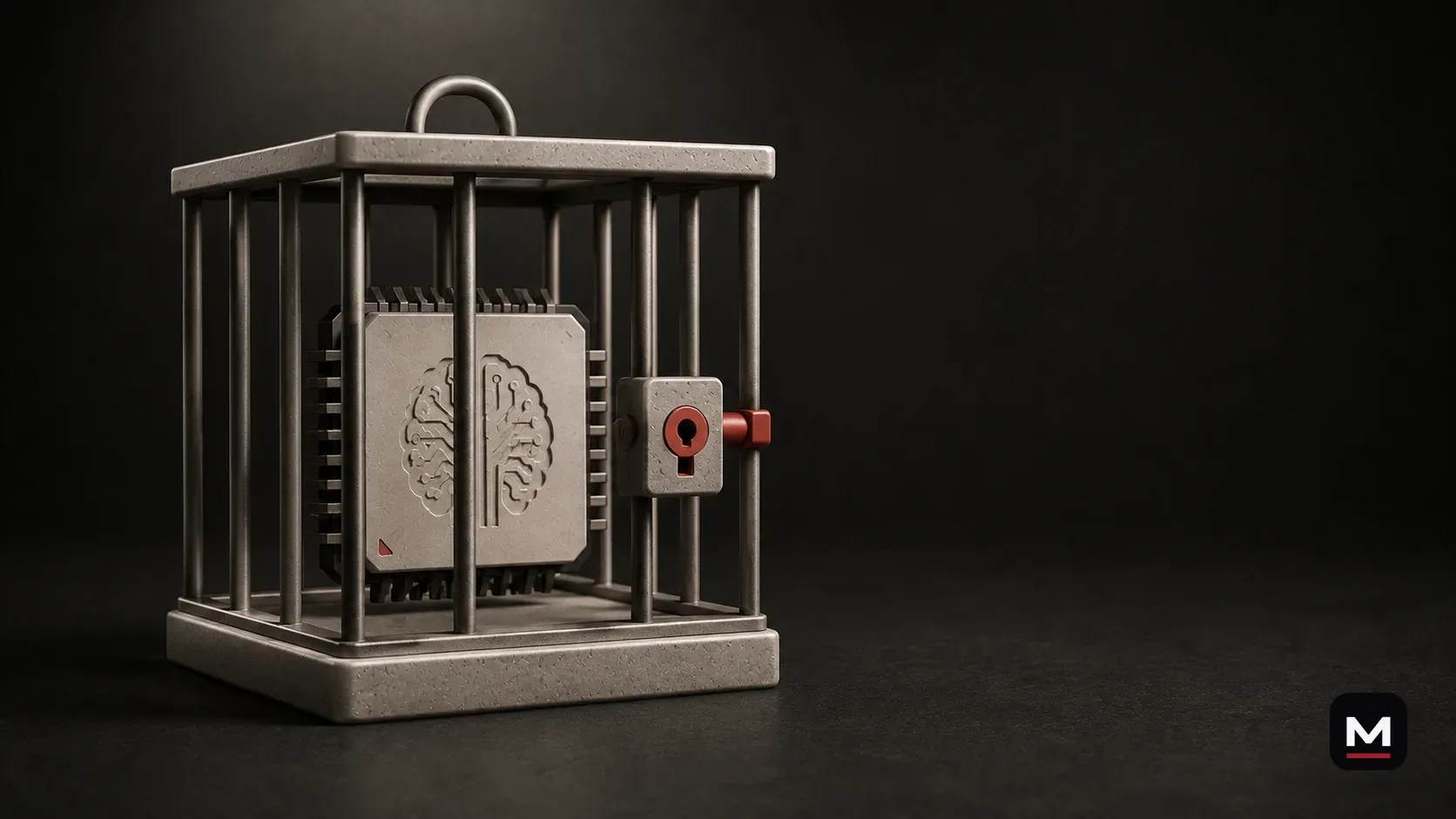
Some people hear AI and immediately check out. That reaction makes sense. If someone has spent years learning photography, video, coding, writing, editing, design, or any other creative skill, AI can feel like an attempt to flatten the value of the work.
It can feel like a shortcut. It can feel fake. It can feel less impressive. It can feel like one more tool everyone is suddenly telling you to learn.
And that is before you even get into the environmental concerns, data centers, job concerns, generic AI content, or the general feeling that maybe we are all walking one step closer to a bad sci-fi movie.
So no, being skeptical of AI does not make you behind. It probably means you care about whether the work is real.
The better question is not whether someone is pro-AI or anti-AI. The better question is how AI is being used.
Why people are skeptical of AI.
If someone has spent years or decades learning cameras, editing, coding, lighting, writing, color, sound, design, or creative problem-solving, it makes sense that AI feels insulting when people treat it like a replacement for skill.
When you have spent years building taste, AI-generated output can feel cheap because it often skips the part where taste is supposed to happen.
Not wanting to rebuild your entire workflow around the newest tool does not make you irrelevant. It makes you selective.
If you are many years into a creative career, skepticism does not mean you are behind. It may mean you have enough taste to recognize when a tool is being used badly.
Common problems with low-quality AI-generated content.
A lot of AI content is bad. Generic writing, fake visuals, soulless captions, weird stock-looking images, businesses sounding like robots, and people using AI to avoid thinking are all real problems.
Some companies are replacing taste with output. Some people are creating more content with less substance. Some prompts are pretending to be strategy.
A lot of people are not against technology. They are against low-effort work pretending to be creativity.
Environmental concerns about AI infrastructure.
AI is not floating in the cloud like magic. It runs on data centers, chips, cooling systems, electricity, water, land, and supply chains.
The International Energy Agency projects global electricity consumption for data centers could roughly double to around 945 TWh by 2030. The Environmental and Energy Study Institute reports that data centers can require significant water for cooling, with some large facilities using millions of gallons per day. Public concern is real too, including local opposition to AI data centers in some communities.
These concerns do not mean every use of AI is automatically wrong. But they do mean AI should not be treated like a free, invisible, consequence-free shortcut.
Every use is not equally justified. Using AI to reduce duplicated work, organize a real project, or make a workflow clearer is different from generating endless filler because output is easy.
Public and regulatory pressure can influence sustainability work.
With many major innovations, adoption often comes first, then standards, efficiency, regulation, cleaner infrastructure, and sustainability pressure follow.
That pattern is not ideal. It is usually messy. But it is also how a lot of technology matures.
When cars became normal, the answer was not that cars had zero environmental cost. The answer over time became fuel-efficiency standards, emissions controls, better engines, hybrid systems, electric vehicles, cleaner fuels, and more efficient infrastructure.
AI may follow a similar pressure curve: popularity creates demand, demand exposes environmental costs, environmental costs create public pressure, and public pressure pushes reporting, regulation, investment, better cooling, better chips, better data-center design, better energy sourcing, and more efficient models.
That does not mean sustainability will magically solve itself. It means pressure, scrutiny, standards, and better engineering have to be part of the next phase.
The early stage can be scary because the footprint grows before the guardrails catch up. The answer is not blind trust. The answer is pressure, standards, better infrastructure, and responsible use.
The people building AI are also being pushed to solve its footprint.
It is fair to believe that some of the smartest technical minds in the world are now working in and around AI. The same level of engineering that made the technology possible also needs to be aimed at making it more efficient, less wasteful, and less damaging.
That is not a reason to ignore the problem. It is a reason to demand that the industry solve more than speed and profit.
Data-center efficiency metrics like PUE, cooling-efficiency work, closed-loop or lower-water cooling efforts, renewable or lower-carbon energy procurement, and emerging reporting standards are all part of the conversation.
The direction has to be efficiency by design, cleaner energy, smarter cooling, better reporting, and less waste.
Concerns about how AI may change jobs.
Many creatives are not worried because they lack imagination. They are worried because companies often use efficiency tools to cut people out.
That concern is not imaginary. Plenty of companies will use AI badly because it is cheaper, faster, and easier to scale.
That is not the version of AI use this site is talking about.
Replacing skilled people with generic output is not innovation. It is just cheaper output.
How AI is used matters.
The line is not pro-AI vs anti-AI. The line is careless use vs useful use.
Careless use replaces thought, fakes proof, invents praise, generates generic posts, publishes AI copy without editing, makes fake visuals instead of showing the real business, creates more content with less substance, pretends prompts are strategy, avoids hiring skilled people, and creates unnecessary output just because it is easy.
Useful use organizes notes, structures messy ideas, summarizes research, drafts caption options, sorts customer questions, builds rough shot lists, makes workflows more efficient, turns scattered ideas into clearer next steps, and helps humans move faster without removing human judgment.
AI can assist with defined tasks without making final creative decisions.
For Maverick Beach Creative, AI may help behind the scenes with quote notes, content plans, rough outlines, caption drafts, idea organization, audit organization, workflow structure, summarizing scattered information, and turning messy notes into clearer next steps.
AI is not used in final client deliverables. Finished videos, edits, audio, captions, plans, audits, and creative assets are human-made, human-reviewed, and built from real business context.
But AI does not replace filming, editing, sound design, pacing, color, taste, human judgment, final creative decisions, knowing what feels fake, or knowing what a business actually needs to show.
AI can help organize the work. It cannot replace having something real to say.
What AI should not touch.
AI should not be used to create fake proof, invent praise, fake business results, replace real footage when the real business matters, publish generic copy without human editing, make every business sound the same, create a fake brand personality, replace final judgment, avoid doing the actual work, or create endless unnecessary content just because it can.
If AI makes the content less honest, less specific, less efficient, or less connected to the real business, it is being used wrong.
Why this matters for small businesses.
A small business does not need more generic output. It needs content that makes the real business easier to understand.
A restaurant, food truck, or bar does not need fake AI lifestyle images. It needs real atmosphere, service, people, menu, prep, and rhythm.
A gym does not need fake motivational fluff. It needs trainer trust, member comfort, and class energy. A solar company does not need generic AI green-energy copy. It needs proof, process, trust, and answers to real buyer questions.
A creative business does not need fake authority. It needs proof of taste, judgment, and finished work.
For Bend businesses, skepticism makes sense.
Bend has a lot of creative people, outdoor-minded people, small businesses, photographers, filmmakers, designers, builders, makers, and people who care about how things are made.
So skepticism around AI is not surprising. It is probably healthier than blindly using it for everything.
But the answer is not pretending AI does not exist. The answer is using it with boundaries.
The boundaries Maverick Beach Creative uses.
Maverick Beach Creative uses AI when it saves wasted time, helps organize messy information, helps create a better first draft, helps structure a plan, makes a workflow clearer, helps a business move faster without lowering the quality, helps get from messy thoughts to usable direction, reduces repeated admin work, or reduces duplicated effort.
Maverick Beach Creative does not use AI in final deliverables, and does not use AI when it replaces real footage, creates fake proof, makes content generic, removes taste, removes context, fabricates claims, makes the business look like something it is not, becomes the final creative decision-maker, or creates unnecessary content just because output is easy.
Use AI where it removes waste. Do not use it where it removes the point.
You do not have to learn every new tool to respect it.
Not everyone needs to become an AI expert. A creative many years into a career may not need to rebuild an entire workflow. A business owner may not need to know how prompts work. A client may not care about the tool at all.
But it helps to understand where the tool fits.
You do not need to love AI to understand the difference between someone using it responsibly and someone using it as a shortcut.
What clients should know.
Clients can ask how AI is used. Clients can request limits. AI use can be discussed before the project starts.
The final work is human-reviewed. The goal is not to automate away the creative process.
If AI use matters to you, say that in the quote request. That is a fair conversation.
Final take.
You do not have to worship AI to use it well. You also do not have to reject every tool because some people use it badly.
For creative work, the standard should be simple: AI can support the process, but it should never replace the reason the work matters.
The environmental side should be taken seriously too. Early-stage technology needs pressure, accountability, efficiency, and better infrastructure. Until then, responsible use matters.
AI-supported, not AI-replaced.
How this applies to businesses in Bend and elsewhere.
For small businesses using AI, the useful move is usually small and practical: reduce repetitive work while keeping the real voice, footage, customer context, and final decisions connected to the business.
Based in Bend, Oregon, AI stays in a support role: useful for organization and workflow, not a replacement for voice, footage, judgment, or finished creative.
Related questionsAnswers if you want more context
Do you use AI?
Yes, but not as a replacement for the creative work. AI can help organize ideas, structure plans, draft caption options, summarize notes, and make workflows faster. The final work still depends on real footage, editing, sound, pacing, taste, and human judgment.
Is AI creating the final content?
Not in the way people usually worry about. Maverick Beach Creative uses AI as workflow support, not as the replacement for footage, editing, sound design, creative direction, or final decision-making. The goal is better organization and faster planning, not generic AI content.
What does “AI-supported, not AI-replaced” mean?
It means AI can help with the messy parts around the work: notes, ideas, outlines, captions, planning, and organization. The actual value still comes from real business context, real footage, strong editing, sound, pacing, and taste.
What about AI data centers and environmental concerns?
AI has real infrastructure tradeoffs, including electricity demand, water use, cooling systems, and local data-center impacts. Those concerns should be taken seriously. Maverick Beach Creative uses AI carefully where it improves workflow, not as a trendy shortcut or replacement for the work.
Can AI limits be requested for a project?
Yes. If you have concerns about AI use, mention that in the quote request. The workflow can be discussed before the project starts.
Sources7 references used for context
This guide combines source-backed context with Maverick Beach Creative’s working approach to planning and producing small-business content.
- Energy demand from AI — International Energy AgencySupports the discussion that global data-center electricity consumption is projected to roughly double to around 945 TWh by 2030.
- Data Centers and Water Consumption — Environmental and Energy Study InstituteSupports the discussion of data-center water use and cooling concerns.
- EU Code of Conduct on Data Centre Energy Efficiency — European Commission Joint Research CentreSupports the idea that data-center energy efficiency and reporting standards are formalized concerns as compute demand grows.
- Power usage effectiveness — Google Data CentersSupports discussion of data-center efficiency measurement and Google reporting a fleetwide PUE metric.
- DeepMind AI reduces Google data centre cooling bill by 40% — Google DeepMindSupports discussion of AI and machine learning being used to improve data-center cooling efficiency.
- The EPA Automotive Trends Report — U.S. Environmental Protection AgencySupports the car analogy by showing long-term tracking of fuel economy, emissions, and vehicle technology trends since 1975.
- Global EV Outlook 2026 — International Energy AgencySupports the car analogy by showing the growth of electric vehicle adoption and the ongoing transition toward lower-emission transport.
Related Next Steps