
Editing Smarter
How Sound Design Improves Business Video.
Viewers may not name the sound problem directly, but clear, intentional audio can make business content easier to understand and watch.
By Maverick Beach / June 10, 2026
This guide combines source-backed context with Maverick Beach Creative’s working approach to planning and producing small-business content.
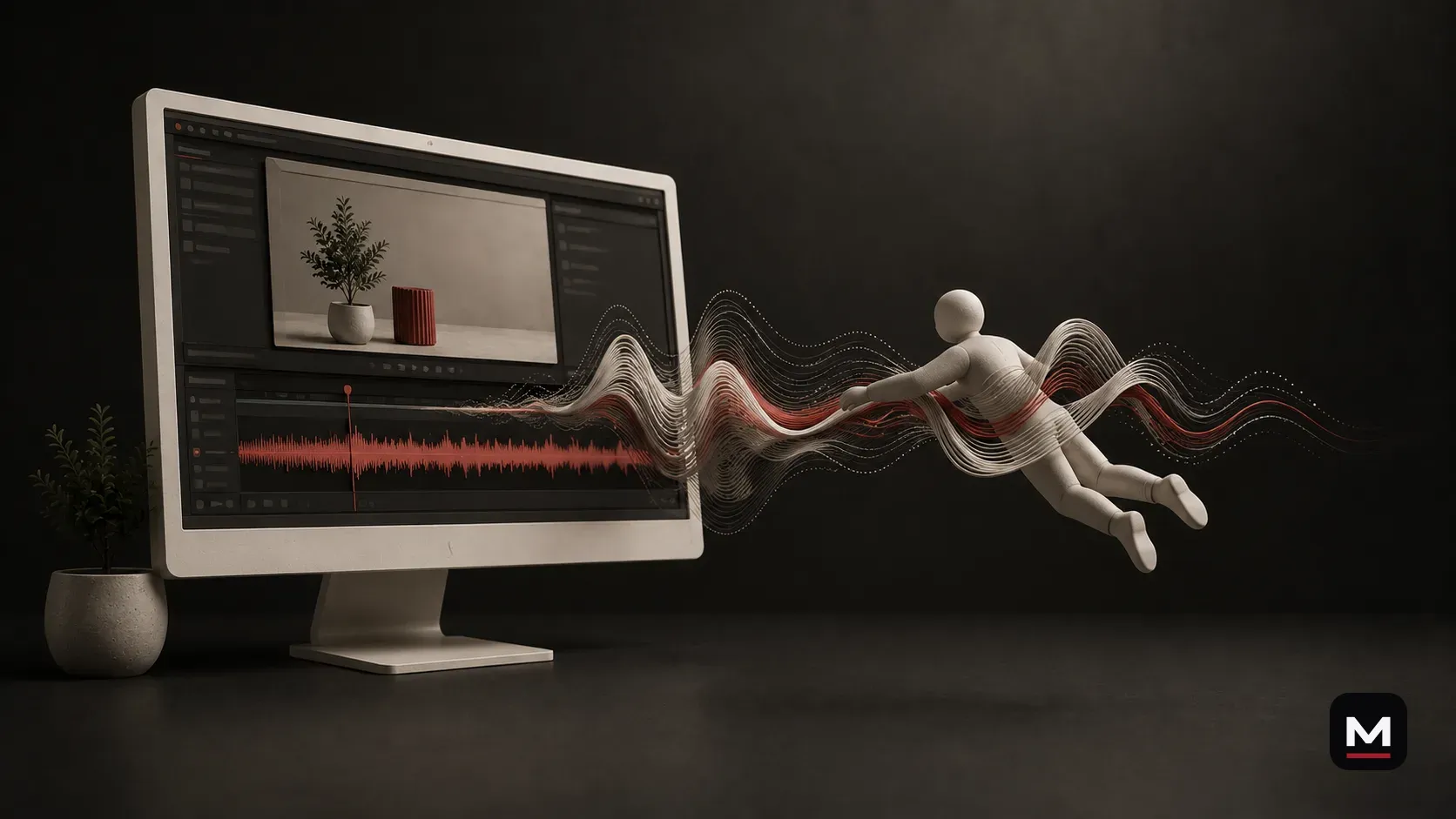
Viewers may forgive footage that is not perfect, but hard-to-hear or careless sound can make a video much harder to stay with.
Sound design is one of the fastest ways to make business content feel intentional without making it feel overproduced.
Sound guides attention and supports clarity.
Music can create momentum. Natural sound makes the place feel real. A clean transition can connect two ideas. Silence can make one moment land harder.
These choices guide attention. They are not decoration added after the edit is finished.
Natural sound can make the business environment feel more immediate.
The hiss of a grill, a cocktail shaker, an impact gun, a turbo spool, shoes on a gym floor, or wind through an outdoor location gives footage texture and context.
When those sounds are captured and placed carefully, the viewer does not just see the work. They feel closer to it.
Clean dialogue and reduced noise come before creative sound design.
Dialogue should be understandable. Music should not fight the speaker. Levels should stay controlled across phones, laptops, and speakers.
Creative sound design cannot rescue unusable dialogue. The first job is clarity. The second is making the edit feel complete.
Sound should fit the brand.
A performance shop, restaurant, outdoor brand, and professional service business should not all sound the same. Rhythm, music, natural sound, and restraint should match the subject and audience.
That consistency can become part of brand memory just like color, language, and visual style.
Sound choices can change how the same footage feels.
Picture a close-up of a mechanic tightening the final bolt. With generic background music and no natural sound, it is simply another shot. With the tool impact, a controlled pause, the engine turning over, and music that leaves room for the moment, the same footage has tension and payoff.
A restaurant edit works the same way. The sound of service, glassware, a knife on the board, and the room underneath the music can make the viewer feel present. Muting all of that removes the thing that made the place specific.
What to listen for in your own content.
Watch a recent video without looking at the screen. Can you understand the speaker? Does the music overpower the point? Do cuts feel harsh? Does the sound belong to this business, or could it sit under any generic reel?
That simple test reveals whether sound is carrying the edit or merely filling silence.
Music is not the entire sound design.
Dropping a song under footage is a starting point, not a finished audio plan. Music needs space around dialogue, moments to build, and a reason to change. Natural sound and intentional silence keep the edit from feeling like one long promotional montage.
The best track is not always the loudest or trendiest one. It is the one that supports the business, pace, and point without becoming the point.
Plan sound during capture.
Good sound starts before post-production. Record the room, tools, machines, service, and clean explanations while they are available. Capture a few seconds longer than the visual moment so the editor has room to build transitions.
A small amount of purposeful audio capture can make lean production feel much more complete later.
Final take.
Good sound does not need to announce itself. It can make footage easier to understand, pacing easier to feel, and the finished video more compelling.
How this applies to businesses in Bend and elsewhere.
For a small business with existing footage, the cleanest first move may be editing rather than another shoot. Strong structure, pacing, sound, and platform versions can make the material far more useful.
Based in Bend, Oregon, the edit is built around structure, sound, pacing, color, and finished versions that make new or existing footage easier to use for local and remote clients with organized footage links.
Related questionsAnswers if you want more context
Does Maverick Beach Creative offer audio and sound design?
Yes. Every edited video gets audio-minded post: music, pacing, sound design, cleanup, and mix decisions where needed. That can include dialogue clarity, natural sound, effects, rhythm, and restraint.
Can you edit footage we already have?
Yes. Phone footage, camera footage, drone clips, interviews, archive material, long videos, and past shoots can be shaped into clearer finished content when the source material supports the goal.
What is the difference between a pretty video and a useful video?
A pretty video looks good. Outcome-oriented creative also has a clear digital-marketing job, audience, destination, and plan for what the business should do with it after delivery. The goal is not art for art's sake; it is creative work that helps the business communicate, build trust, and move people toward a useful next step.
Sources2 references used for context
This guide combines source-backed context with Maverick Beach Creative’s working approach to planning and producing small-business content.
- 2026 State of Video Report — WistiaProvides context on modern video workflows, distribution, and repurposing.
- Video Content Creation Strategy, Tips & Tools — YouTube CreatorsSupports planning video around the audience, topic, format, and purpose.
Related Next Steps