
Editing Smarter
How Video Pacing Affects Clarity and Attention.
A well-paced video from a lean setup can be more effective than beautiful footage that takes too long to make its point.
By Maverick Beach / June 10, 2026
This guide combines source-backed context with Maverick Beach Creative’s working approach to planning and producing small-business content.
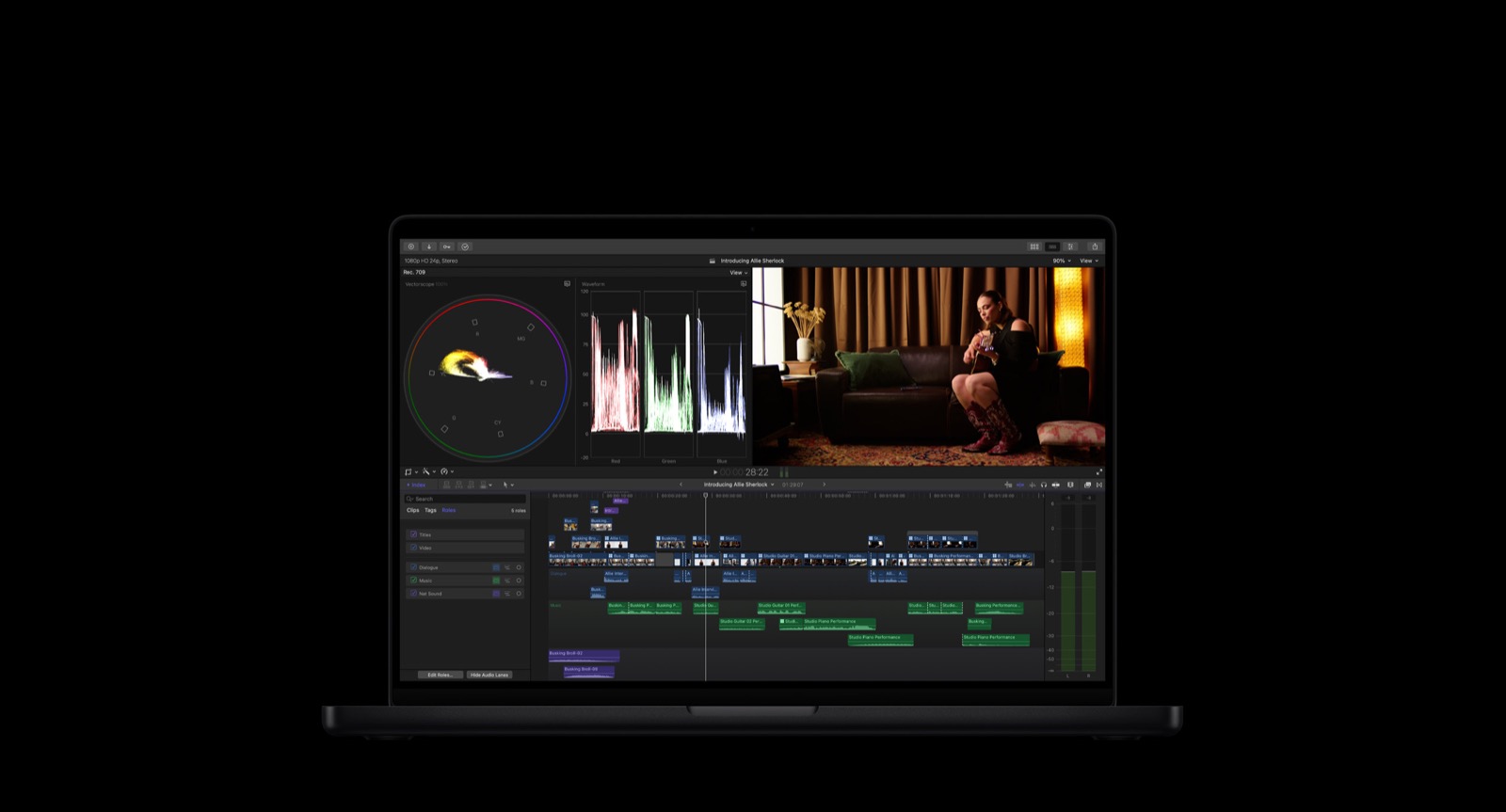
Expensive footage can still be boring.
A capable camera may improve detail, color, and control. It cannot decide what the viewer needs first, how long a moment should last, or when the edit should move.
Pacing controls how quickly information moves.
Pacing decides how quickly information arrives, how long the viewer has to understand it, and whether the video feels focused or slow.
Fast is not automatically good. A useful explanation needs enough time to land. A repetitive montage needs less. The right pace changes with the point.
Keep each section only when it helps the viewer understand or stay engaged.
A strong editor removes repeated ideas, late starts, dead space, weak angles, and shots that look nice but do not add anything.
That restraint matters more than adding another transition or shooting the same moment with a more expensive lens.
Lean capture can create strong material.
Phones, mirrorless cameras, compact audio, drones, and small crews can capture excellent raw material when the plan is clear.
The value comes from knowing what to notice, collecting enough context, and shaping the footage around a real purpose.
How to improve pacing before the shoot.
Decide the point, likely length, and main deliverables early. Capture wide, medium, and detail shots. Record clean explanations. Get natural sound. Leave the editor options instead of one long take and a pile of random B-roll.
Shorter is not always better.
A short video that rushes past the useful part is not well paced. A longer video that keeps giving the viewer a reason to stay is not automatically slow.
A restaurant reel may need fifteen focused seconds. A YouTube explanation from a performance shop may earn eight minutes because the customer genuinely wants the detail. A training video may need enough time to prevent mistakes.
The right length is the shortest version that does the job without cutting out the reason anyone cared.
Pacing starts with deciding what matters.
Editors cannot create focus if nobody is willing to choose. When every talking point, product angle, and pretty shot is treated as equally important, the video drags.
Good pacing comes from hierarchy: this is the point, this is the proof, this is the detail worth holding, and this is the footage that can go.
Different businesses need different rhythm.
A motorsports edit may use acceleration, impact, and sharp changes because movement is part of the subject. A restaurant, food truck, or bar piece may hold longer on hands, service, atmosphere, and conversation. A solar explainer needs enough room for a customer to understand the process.
Copying the pace of a trending video without considering the business makes the edit feel borrowed. Rhythm should come from the subject, audience, and job.
A simple pacing test.
Watch the edit once and mark every moment your attention drops. Then ask why. Did the point repeat? Did a shot stay after it was understood? Did the video hide the result too long? Did the sound stop helping?
Do not cut faster automatically. Fix the reason the moment feels slow.
Final take.
Gear affects what can be captured. Pacing strongly affects whether the viewer understands it and wants to keep watching.
How this applies to businesses in Bend and elsewhere.
For a small business with existing footage, the cleanest first move may be editing rather than another shoot. Strong structure, pacing, sound, and platform versions can make the material far more useful.
Based in Bend, Oregon, the edit is built around structure, sound, pacing, color, and finished versions that make new or existing footage easier to use for local and remote clients with organized footage links.
Related questionsAnswers if you want more context
Can you edit footage we already have?
Yes. Phone footage, camera footage, drone clips, interviews, archive material, long videos, and past shoots can be shaped into clearer finished content when the source material supports the goal.
Does a lean setup mean lower quality?
No. Lean does not mean amateur. It means the shoot is built around what the content actually needs. Strong capture, smart editing, sound, pacing, and finished deliverables matter more than unnecessary production complexity.
What is the difference between a pretty video and a useful video?
A pretty video looks good. Outcome-oriented creative also has a clear digital-marketing job, audience, destination, and plan for what the business should do with it after delivery. The goal is not art for art's sake; it is creative work that helps the business communicate, build trust, and move people toward a useful next step.
Sources2 references used for context
This guide combines source-backed context with Maverick Beach Creative’s working approach to planning and producing small-business content.
- 2026 State of Video Report — WistiaProvides context on modern video workflows, distribution, and repurposing.
- Video Content Creation Strategy, Tips & Tools — YouTube CreatorsSupports planning video around the audience, topic, format, and purpose.
Related Next Steps